The Science
Behind Longevity
Our approach is grounded in biology, driven by data, and shaped by decades of research into aging, prevention, and personalized health.
At Omega Genetics, we don't guess — we analyze. Our platform combines lab data, biomarkers, and (where available) genetic insights to help you better understand your biology and make more informed lifestyle decisions to give people access to the science used in leading longevity research — delivered at scale, and at a fraction of the cost.
The Biological Mechanisms of Aging
Research has identified that aging isn’t random “wear and tear.” It follows predictable, measurable biological mechanisms. These mechanisms occur at multiple levels:
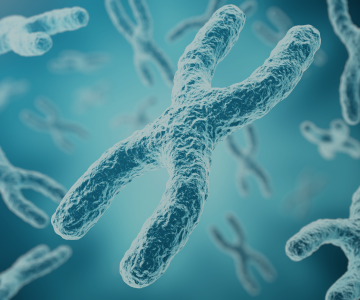
Molecular
DNA mutations, epigenetic drift, and telomere shortening.
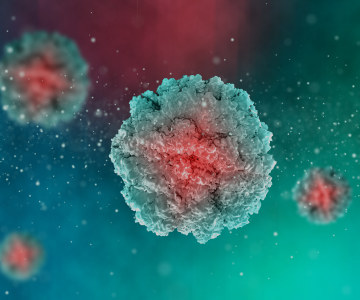
Cellular
Loss of proteostasis (the balance of healthy proteins in cells), mitochondrial breakdown, and senescence.
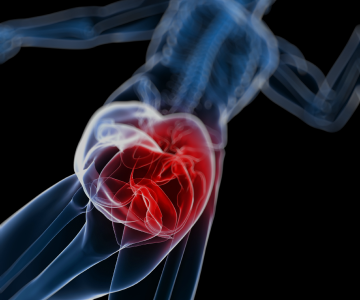
Tissue/Systemic
Stem cell exhaustion, immune dysfunction, and chronic inflammation.
Molecular
DNA mutations, epigenetic drift, and telomere shortening.
Cellular
Loss of proteostasis (the balance of healthy proteins in cells), mitochondrial breakdown, and senescence.
Tissue/Systemic
Stem cell exhaustion, immune dysfunction, and chronic inflammation.
Together, these mechanisms explain why aging accelerates after midlife and how it fuels chronic diseases like heart disease, diabetes, Alzheimer’s, and cancer.
The Science of Aging: The 12 Hallmarks
Scientists now agree that aging is not random, but instead follows 12 measurable biological processes known as the hallmarks of aging. These hallmarks explain why our cells, tissues, and organs decline over time. They fall into three categories:
Primary Hallmarks
These are the initiating events that destabilize our biology:
Genomic Instability
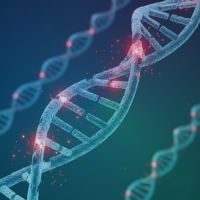
Genomic Instability
Over a lifetime, DNA suffers constant damage from toxins, radiation, inflammation, and even normal metabolism. While cells can repair some damage, mutations accumulate, increasing the risk of cancer and organ dysfunction.
Telomere Attrition
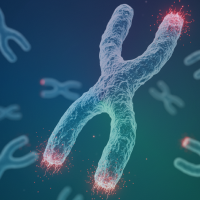
Telomere Attrition
Telomeres act like protective “caps” at the ends of chromosomes. Each time a cell divides, these caps shorten. Eventually, they become too short, forcing cells into senescence or death — a major driver of tissue aging.
Epigenetic Alterations
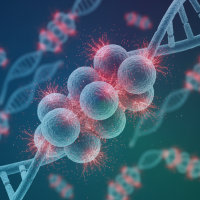
Epigenetic Alterations
Genes don’t just switch on and off randomly; they’re regulated by chemical “tags” (like methylation). With age, these tags drift, silencing helpful genes and activating harmful ones, disrupting normal cellular programs.
Loss of Proteostasis
Loss of Proteostasis
Proteins need to be properly folded to function. With age, misfolded proteins accumulate and overwhelm cleanup systems. This contributes to diseases like Alzheimer’s, where toxic protein clumps damage brain cells.
Antagonistic Hallmarks
Initially protective, these processes become harmful if pushed too far:
Deregulated Nutrient Sensing
Deregulated Nutrient Sensing
Cells monitor energy through pathways like insulin/IGF-1, mTOR, and AMPK. When balanced, they keep metabolism healthy. But with age, these sensors misfire, promoting fat gain, diabetes, and cancer.
Mitochondrial Dysfunction
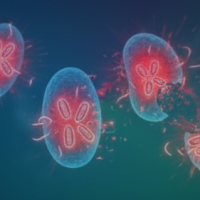
Mitochondrial Dysfunction
Mitochondria are the “batteries” of cells. With age, they leak reactive oxygen species (ROS), damaging DNA, proteins, and membranes. This weakens energy production and accelerates tissue breakdown.
Cellular Senescence
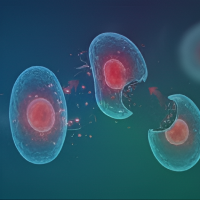
Cellular Senescence
Damaged cells often stop dividing as a defense against cancer. But instead of dying, they linger as “zombie cells,” releasing toxins and inflammatory molecules that harm surrounding healthy cells.
Disabled Macroautophagy
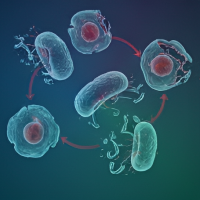
Disabled Macroautophagy
Cells normally recycle worn-out parts through a process called autophagy (“self-eating”). With age, this recycling breaks down, leading to toxic buildup and declining cellular efficiency.
Integrative Hallmarks
These emerge as the cumulative result of the primary and antagonistic hallmarks:
Stem Cell Exhaustion
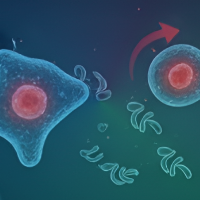
Stem Cell Exhaustion
Our stem cells are the body’s repair system. Over time, their reserves shrink and they lose efficiency. This explains thinning skin, slower wound healing, reduced muscle regeneration, and weaker immunity.
Altered Intercellular Communication
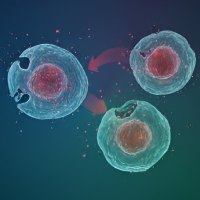
Altered Intercellular Communication
Cells and organs rely on constant signaling to maintain balance. Aging disrupts this communication, often in the form of inflammatory signals, hormone imbalances, and immune overactivation.
Microbiome Disturbance
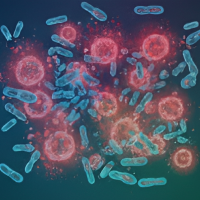
Microbiome Disturbance
The gut microbiome shifts with age toward imbalance (dysbiosis). Beneficial microbes decline while harmful ones expand, driving chronic inflammation, metabolic dysfunction, and weakened immunity.
Chronic Inflammation (Inflammaging)
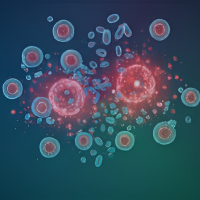
Chronic Inflammation (Inflammaging)
Low-grade, body-wide inflammation becomes constant with age. This “silent fire” accelerates every other hallmark, fueling cardiovascular disease, diabetes, neurodegeneration, and cancer.
The Signs of Aging
Aging isn’t just about wrinkles or gray hair. It’s the slow decline of cellular and organ function that eventually shows up as chronic disease and frailty. Here are the key ways aging reveals itself:

Cognitive Decline
Slower memory, reduced focus, increased risk of dementia and Alzheimer’s.

Metabolic Changes
Insulin resistance, weight gain, loss of muscle, increased fat around the belly.

Cardiovascular Issues
Stiffening arteries, high blood pressure, higher risk of heart disease and stroke.

Weakened Immunity
More frequent infections and slower recovery.

Hormonal Decline
Reduced testosterone or estrogen, affecting energy, mood, and vitality.

Cellular Senescence
Damaged cells that stop working but don’t die, releasing toxins that accelerate aging.

Mitochondrial Dysfunction
Declining “cellular batteries” leading to fatigue and slower recovery.

Musculoskeletal Weakness
Bone density loss, joint stiffness, and reduced strength.

Skin and Tissue Aging
Wrinkles, dryness, reduced elasticity, and slower wound healing.
Cognitive Decline
Slower memory, reduced focus, increased risk of dementia and Alzheimer’s.
Metabolic Changes
Insulin resistance, weight gain, loss of muscle, increased fat around the belly.
Cardiovascular Issues
Stiffening arteries, high blood pressure, higher risk of heart disease and stroke.
Weakened Immunity
More frequent infections and slower recovery.
Hormonal Decline
Reduced testosterone or estrogen, affecting energy, mood, and vitality.
Cellular Senescence
Damaged cells that stop working but don’t die, releasing toxins that accelerate aging.
Mitochondrial Dysfunction
Declining “cellular batteries” leading to fatigue and slower recovery.
Musculoskeletal Weakness
Bone density loss, joint stiffness, and reduced strength.
Skin and Tissue Aging
Wrinkles, dryness, reduced elasticity, and slower wound healing.
The content above is educational. Omega does not diagnose, treat, cure, or prevent any disease.
From Science to Action
At Omega Genetics, we translate this biology into action. By testing genetic variants, blood biomarkers, and lifestyle factors, we map your health against these hallmarks.
Our platform translates this science into a personalized longevity plan — a clear picture of where your biology stands today, how it's trending, and the lifestyle, nutrition, and activity steps that align with long-term healthy aging.
And because our mission is to make longevity science affordable and accessible to everyone, we bring tools once reserved for elite researchers and clinics into everyday life — empowering people everywhere to live longer, healthier years.
FAQs
Why do scientists say aging is “biological” and not just “wear and tear”?
Aging isn’t random damage. Research shows it follows predictable biological patterns called the hallmarks of aging. These hallmarks explain why our cells, tissues, and organs slowly lose function — and why chronic diseases often appear after midlife.
What are the “12 Hallmarks of Aging”?
They are the core biological processes that drive aging, grouped into primary causes, defensive responses that backfire, and downstream effects. Examples include DNA damage, telomere shortening, mitochondrial decline, and chronic inflammation. Together, they shape how we age and why diseases like Alzheimer’s, diabetes, and heart disease emerge.
Can aging really be slowed or reversed?
While aging can’t be stopped, research shows its pace can be influenced. By targeting the hallmarks of aging - with lifestyle, nutrition, and personalized wellness guidance — it's possible to slow decline and support more healthy years of life.
What makes Omega Genetics different from other health or DNA companies?
Most companies focus on ancestry or single health risks. Omega Genetics integrates genetic data, blood biomarkers, and lifestyle factors into one platform. We don’t just give you numbers — we provide a personalized longevity plan grounded in science, affordability, and accessibility.
Is this only for people already sick or older?
No. Longevity planning is most powerful when started early — even in your 20s, 30s, or 40s. The earlier you understand your biology, the more options you have to act on it.
How does Omega make longevity science “affordable and accessible”?
We partner with labs and providers to keep costs low while still using lab tests performed by CLIA-certified, CAP-accredited laboratories. Our goal is to democratize longevity — making tools once limited to elite clinics available to everyday people.
Is my genetic and health data safe?
Yes. Your information is encrypted in transit and at rest, access is role-based and logged, and we apply safeguards aligned with HIPAA principles. While Omega is not itself a HIPAA-covered entity, our clinical and laboratory partners are — and your data flows between them under binding agreements. You control your data and how it’s used.

- Redefining Health, one DNA at a time
- Redefining Health, one DNA at a time
- Redefining Health, one DNA at a time